Prostate Cancer
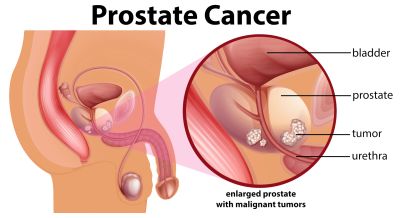
What is Prostate Cancer?
The prostate is a small gland found only in men. It sits below the bladder and surrounds the urethra, the tube that carries urine out of the body. The prostate produces fluid that forms part of semen.
Prostate cancer develops when cells within the prostate begin to grow in an uncontrolled way. Over time, these abnormal cells can form a tumour. In many men, prostate cancer grows very slowly and may never cause symptoms or require treatment. In others, it can grow more quickly and spread beyond the prostate if left untreated.
Prostate cancer is one of the most common cancers affecting men. The good news is that it is often detected early, before it has spread, and modern treatments are highly effective. Many men with prostate cancer are cured, while others can live long, healthy lives with treatment that controls the disease.
Not every prostate cancer needs immediate treatment. Some low-risk cancers can be safely managed with active surveillance, where the cancer is closely monitored with regular PSA blood tests, imaging, and sometimes repeat biopsies. If there are signs that the cancer is becoming more aggressive, treatment can then be started.
When treatment is recommended, options may include surgery, radiation therapy, hormone therapy, or a combination of these treatments. The best treatment depends on several factors, including the stage and grade of the cancer, your PSA level, your overall health, and your personal preferences.
Radical Prostatectomy
Surgery is one of the main treatment options for prostate cancer that is confined to the prostate gland. The goal of surgery is to completely remove the cancer while preserving urinary control and sexual function whenever possible.
The most common operation is called a radical prostatectomy. During this procedure, the entire prostate gland and seminal vesicles are removed. In some cases, nearby pelvic lymph nodes are also removed to determine whether the cancer has spread.
Surgery may be recommended/an option if:
- The cancer is confined to the prostate or has only limited extension beyond the prostate.
- You are healthy enough to undergo a major operation.
- You have a life expectancy of at least 10 years.
- Surgery aligns with your personal preferences after discussing all available treatment options.
For some men with more advanced disease or other health condition, surgery may be less favoured due to surgical risk or high recurrence rates requiring further treatment such as radiation therapy or hormone therapy.
This is a link to Dr. Cagiannos, a Urologic Oncologist at the Ottawa hospital discussing radical Prostatectomy.
Radiotherapy
Radiation therapy is one of the main treatment options for prostate cancer that is confined to the prostate gland. High-energy radiation is used to destroy cancer cells while minimizing radiation to the surrounding normal tissues. The goal of treatment is to cure the cancer while preserving urinary, bowel, and sexual function whenever possible.
Radiation treatment is most commonly delivered using external beam radiation therapy (EBRT), where a linear accelerator delivers precisely targeted radiation to the prostate over a series of treatments. Depending on your cancer and treatment plan, radiation may be given over 1–4 weeks using moderately hypofractionated (20 treatments), or stereotactic body radiation therapy (SBRT) schedules (5 treatments).
Some men may also be candidates for brachytherapy, where radioactive sources are placed directly into the prostate to deliver a high dose of radiation from within. Brachytherapy may be used alone for selected low- and intermediate-risk cancers or in combination with external beam radiation therapy for some higher-risk cancers.
For men with intermediate- or high-risk prostate cancer, androgen deprivation therapy (hormone therapy) may be recommended before, during, and/or after radiation therapy to improve the chances of cure.
Radiation therapy is also an important treatment option for men whose cancer has spread beyond the prostate or has recurred after previous treatment. In these situations, radiation may be used alone or in combination with hormone therapy or other systemic treatments.
What are the advantages of radiation therapy?
Radiation therapy offers several potential advantages:
- It is non-invasive and does not require an operation.
- Treatment is performed as an outpatient, allowing you to return home the same day.
- Most men are able to continue their normal daily activities, including work and exercise, throughout treatment.
- Cancer control is equivalent to surgery for many men with localized prostate cancer.
- There is no recovery period associated with major surgery.